
Most homeowners approach their first remodeling contract the same way: carefully, with a mix of anticipation and quiet anxiety. There’s a lot riding on what’s in that document — a significant financial investment, disruption to daily life, and the hope that the finished result will be everything they imagined.
The challenge is that not all remodeling contracts are structured the same way, and the differences matter more than most homeowners realize until they’re mid-project. A design-build contract and a traditional general contractor agreement aren’t just different versions of the same thing. They represent fundamentally different relationships. Understanding what’s included in each changes how confidently you can sign.
One Firm, One Agreement, One Point of Accountability
The defining feature of a design-build contract is what it unifies. In a traditional remodeling arrangement, a homeowner hires an architect or designer separately from a contractor. Two contracts, two sets of deliverables, two relationships to manage, and a gap between them where miscommunications tend to live.
A design-build contract covers both functions under a single agreement with a single firm. Design, engineering, permitting, and construction are all the responsibility of one team. If something in the design doesn’t translate cleanly to construction, the same firm that drew the plans is accountable for making it right. There is no pointing across the table at someone else’s drawings. That accountability is not a minor administrative detail, it is structural protection for the homeowner that changes the entire dynamic of the project.
What a Design-Build Contract Typically Covers
While every firm structures its agreements somewhat differently, a well-written design-build contract should clearly address several core elements.
The scope of work is the foundation. This section defines what is being built, renovated, or added in specific terms, not general ones. Vague scope language is where budget surprises and unmet expectations are born. A strong contract describes the project clearly enough that both parties share a common picture of the finished result before a single tool is picked up.
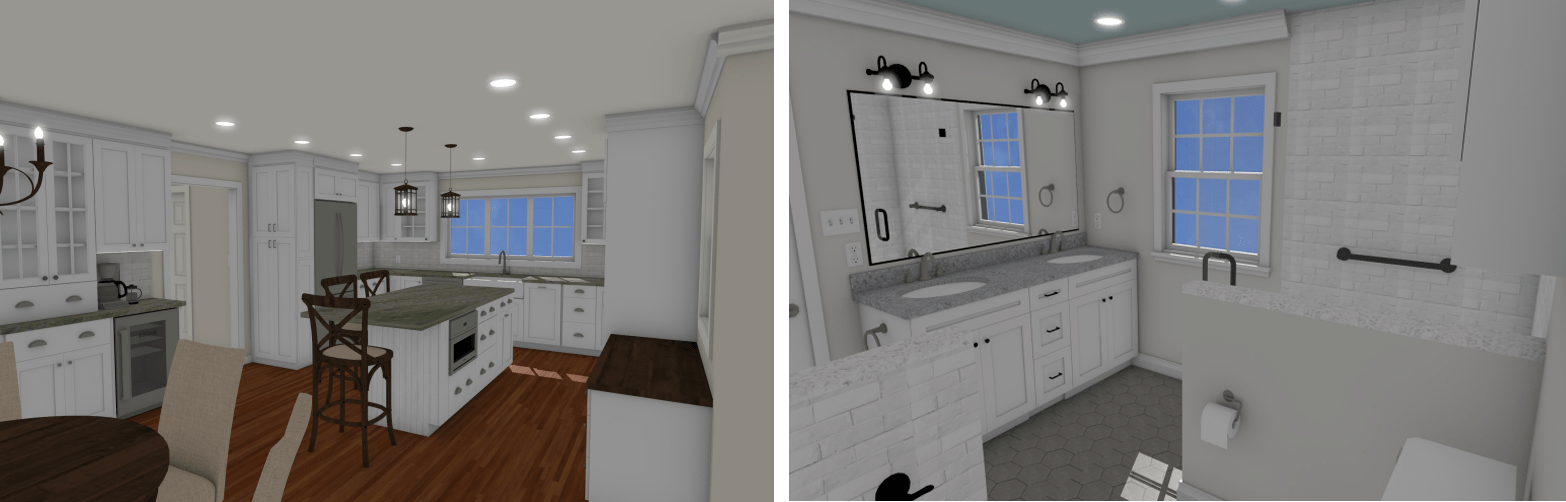
The design deliverables section outlines what the design process produces: floor plans, elevations, material specifications, finish schedules, and any renderings or 3D visualizations included in the agreement. Knowing what you’ll see and when before construction begins gives you the opportunity to make informed decisions rather than discovering surprises in the field.
The project timeline establishes key milestones: design completion, permit submission, construction start, and projected completion. A realistic timeline, clearly documented, sets expectations on both sides and gives you a reference point if the schedule needs to be revisited.
The payment schedule defines when payments are due and what they’re tied to, typically project milestones rather than arbitrary dates. Understanding the payment structure in advance prevents cash flow surprises and gives you clarity about what you’re paying for at each stage.
Change order procedures matter more than most homeowners anticipate. Even well-planned projects encounter moments when scope changes, like if a homeowner decides to add a window, or a wall opens to reveal an unexpected condition. How those changes are documented, priced, and approved should be spelled out clearly before work begins, not negotiated in the middle of construction.
What to Read Carefully Before You Sign
A few areas of any remodeling contract deserve particular attention. The allowances section, if one exists, specifies a budgeted amount for materials that haven’t yet been selected, such as tile, fixtures, or appliances. Allowances that are set too low create the frustrating experience of discovering that the selections you want cost considerably more than the contract assumed. Understanding what’s included as a fixed specification versus what’s held as an allowance is an important distinction.
Warranty terms are worth reading with care. What does the firm warrant, for how long, and under what conditions? A design-build firm that stands behind its work will have warranty language that is clear and specific, not vagaries to be argued away if something needs attention after the project closes.
Lien waiver provisions protect you as the property owner. As subcontractors and suppliers are paid throughout the project, lien waivers confirm that those parties have been compensated and cannot later file a claim against your property. A reputable design-build firm manages this process routinely, but knowing it’s addressed in the contract is reassuring.
The Pre-Construction Phase: Where Good Contracts Earn Their Value
One of the underappreciated advantages of the design-build model is how much work happens before construction begins. The planning and design phase produces drawings, selections, and specifications that are buildable, on budget, and coordinated across trades before the first permit is pulled.
This front-end investment reduces the frequency of change orders, field decisions, and mid-project surprises that inflate costs and extend timelines in less organized projects. A thorough pre-construction process is, in many ways, the most valuable thing a design-build firm provides. And a well-written contract reflects that by giving the planning phase the structure and formality it deserves.
Confidence Comes from Clarity
The homeowners who feel best about their remodeling experience — during the project and after — are almost always the ones who understood what they were signing before work began. A clear contract doesn’t just protect you legally. It sets the tone for the entire relationship: how decisions get made, how issues get resolved, and how both parties stay aligned when the inevitable complexity of construction arises.
The LBK Way
At LBK Design Build, we walk every client through our agreement in detail before anything is signed because we believe an informed homeowner is the foundation of a successful project. If you’re beginning to evaluate design-build firms in Bucks County or the surrounding area, we’d welcome the conversation.