
For a while, the answer seemed obvious. Walls came down across the country as the open floor plan became the dominant language of modern home design — airy, connected, flooded with light. Kitchen, dining room, and living room flowed into one another, and the result felt undeniably fresh.
Then something shifted. Remote work filled those open spaces with noise that had nowhere to go. Children doing homework competed with adults on calls. Cooking smells and kitchen clutter became a permanent feature of the main living space. And some families quietly began to wonder whether all that openness was actually working for them.
Today, the conversation has become more nuanced and more interesting. At LBK Design Build, we work with homeowners across Bucks, Montgomery, and Philadelphia counties who land all across this spectrum. What we’ve learned is that the best layout isn’t the one that’s trending. It’s the one that fits how your particular family lives.
The Case for Open: Connection, Light, and Flow
The appeal of an open floor plan is real and it’s worth taking seriously. When a kitchen opens into a living or dining area, the person cooking is no longer isolated from the rest of the household. Parents can keep an eye on children. Conversation flows naturally from room to room. Guests feel included rather than corralled into a separate space while their host disappears behind a closed door.
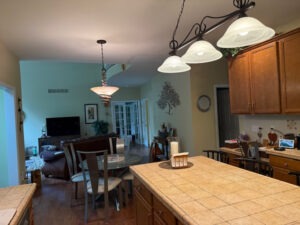
Before & After of a remodel in Jamison.
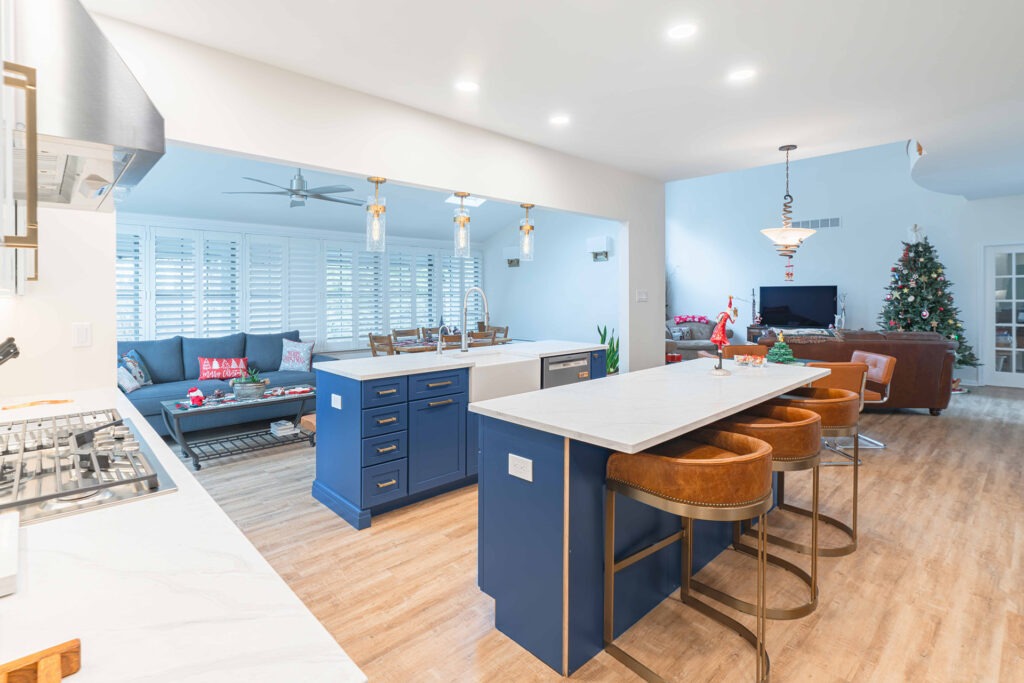
Open layouts also do something genuinely powerful with light. Removing interior walls allows natural light to travel deeper into the home, making spaces feel larger and more generous than their square footage would otherwise suggest. In older homes across Bucks, Montgomery, and Philadelphia counties — colonials, farmhouses, cape cods — where smaller, segmented rooms were standard, opening the first floor can be transformative.
For homeowners who entertain often, who have young children, or who simply want to feel more connected to the life of the house, an open plan often delivers exactly what it promises.
The Case for Defined Spaces: Privacy, Acoustics, and Purpose
What the open floor plan giveth, it can also taketh away. Sound travels freely in an open space — which is wonderful when the house is quiet and companionable, and considerably less wonderful when three different activities are competing for the same air. This is one of the most consistent complaints we hear from families who’ve lived in fully open layouts for several years.
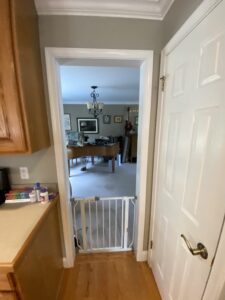
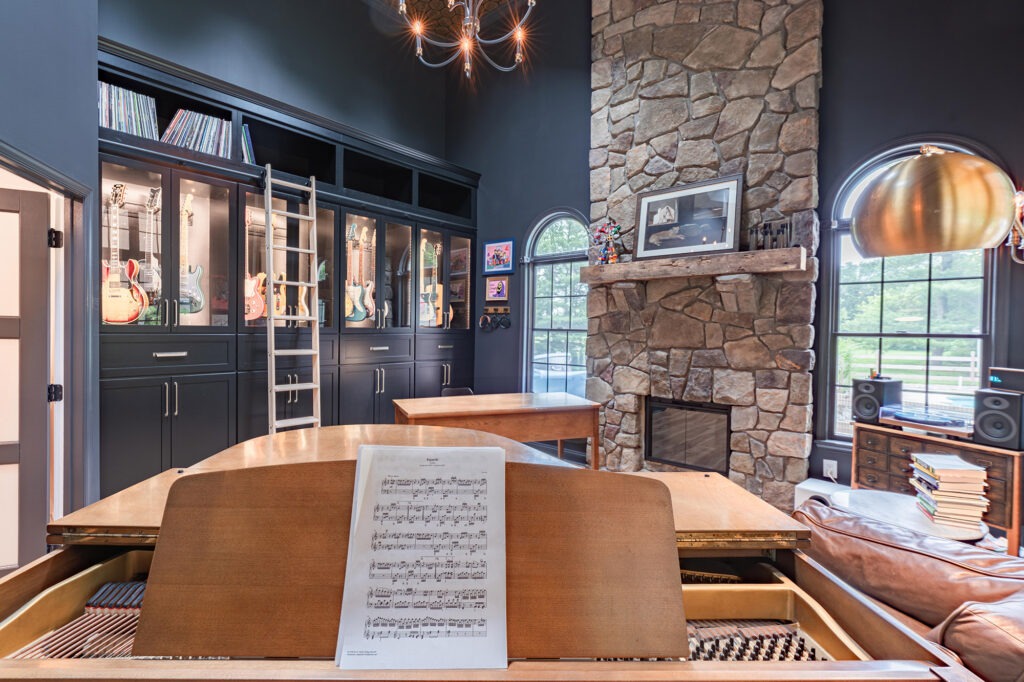
Defined rooms also offer something the open plan struggles to provide: a sense of occasion. A separate dining room signals that dinner is a deliberate, gathered moment rather than a continuation of the kitchen. A living room with its own walls has an enclosure that makes it feel like a destination rather than a passthrough. For some families, that type of design matters deeply.
There’s a practical consideration too. Open kitchens are on display all the time. The island that looked magazine-worthy at the start of the day must be cleared before anyone sits down in the adjacent living room. For homeowners who prefer clear visual boundaries between cooking and living, a more defined layout simply reduces the daily maintenance that openness requires.
The Space Between: Why Most Homes Benefit from Both
Here’s what years of first-floor remodels have taught us: the open vs. defined debate is almost never binary. The most livable homes we’ve designed tend to borrow from both sides. The key is to know where the boundaries should fall.
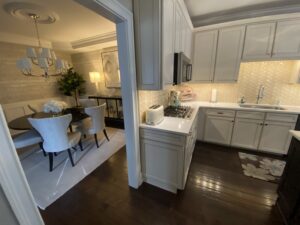
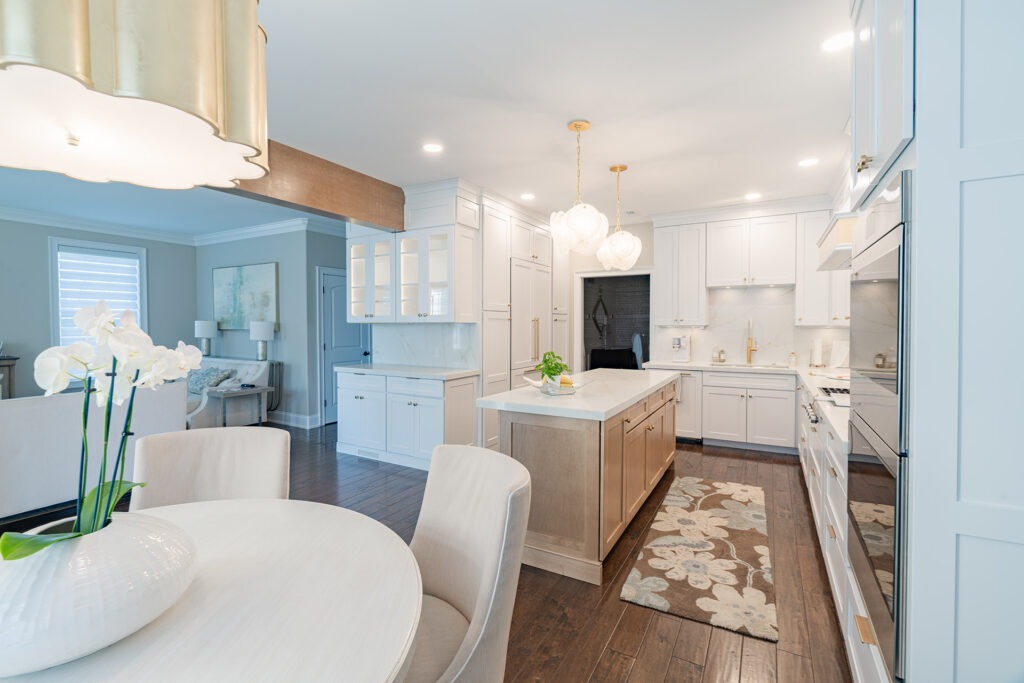
A kitchen that opens to a casual eating area and family room creates connection where connection is wanted. A study or home office tucked behind a glass-paned door offers quiet without isolation. A dining room that shares a wide cased opening with the living room feels generous and connected during gatherings, and purposeful on its own during weeknight dinners.
Partial walls, columns, changes in ceiling height, and thoughtfully placed islands can all define zones within an open space without fully enclosing them. The result is a layout that offers the best of both worlds — visual flow and natural light, alongside acoustic separation and a sense of purpose in each area.
How to Know Which Direction Is Right for You
The most useful question isn’t “what’s popular” it’s “how does my family actually spend its time at home?” A household with young children and frequent casual entertaining has different needs than one where two adults work from home and value quiet. A family that hosts large holiday gatherings has different priorities than one that rarely has more than two people in the kitchen at once.
Pay attention to what frustrates you in your current layout. Is it that the cook feels cut off from everyone else? That’s an openness problem. Is it that noise and clutter feel inescapable no matter where you are in the house? That may be an argument for more definition. Often, the amount of contact in how you currently live points directly toward the solution.
It’s also worth considering the bones of your home. Older properties throughout Bucks, Montgomery, and Philadelphia counties carry architectural character, like trim profiles, ceiling heights, or proportions, which are worth preserving. Sometimes the most satisfying remodel isn’t the one that removes the most walls, but the one that makes the existing structure feel everything is exactly where it belongs.
Design That Starts with How You Live
At LBK Design Build, first-floor remodels are among the most personal projects we undertake. The layout of a home isn’t just a floor plan decision; it shapes the texture of daily life in ways that are easy to overlook until they’re changed.
Whether you’re drawn to an expansive open layout, a more traditional arrangement of rooms, or something thoughtfully in between, we’d love to help you think it through.
Schedule a consultation with the LBK team or download our free Planning and Pricing Guide to start understanding what a first-floor remodel investment looks like for your home.